Live Market Dynamics Meet Reward Incentives in Hybrid Sports Wagering
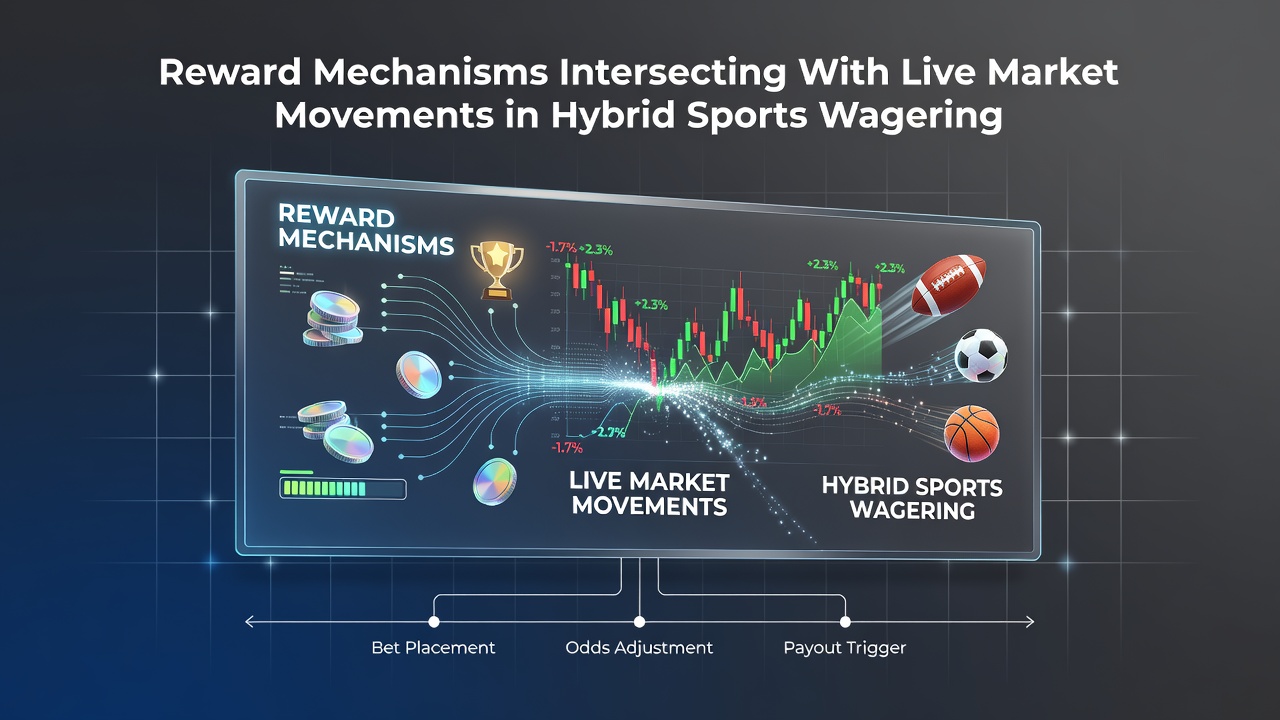
Hybrid sports wagering combines traditional event betting with elements from casino gaming, and reward mechanisms now respond directly to fluctuations in live odds across multiple markets. Operators design these systems so that bonus triggers, cashback percentages, and loyalty multipliers adjust when prices move during matches in tennis, football, or mixed-sport accumulators. Data from June 2026 shows platforms processing thousands of simultaneous live updates per minute, with reward values recalculated in the same window.
Core Components of Hybrid Wagering Platforms
Hybrid environments merge straight sports wagers with in-play casino side bets, and operators link reward layers to both categories. A single accumulator might include a live tennis set winner alongside a roulette multiplier, while the system tracks every price change and applies an updated bonus threshold. Researchers at the University of Nevada, Reno documented how these layered products increased average session duration by 18 percent compared with standalone sports betting during the first half of 2026.
Live market movements create the primary signal for reward activation. When a football match sees rapid odds shifts after a red card, the platform can raise the cashback rate on that leg or unlock an additional free spin package tied to the same stake. Observers note that these adjustments occur within milliseconds of exchange data feeds, keeping reward eligibility synchronized with current pricing.
How Reward Triggers Respond to Real-Time Price Changes
Most systems monitor volatility metrics such as implied probability swings and time-to-event compression. A sudden 12 percent movement in a tennis player's in-play odds can push a loyalty tier into a higher multiplier band, whereas stable pricing keeps the reward at its base level. This conditional structure encourages participants to maintain exposure across changing conditions rather than locking in early.
Platforms also apply sliding scales to accumulator bonuses. One European operator implemented a rule where each live leg that moves more than eight percent in either direction adds 0.5 percent to the overall payout boost, capped at five percent. Figures released by that operator indicate the feature processed over 2.4 million qualifying bets in May and June 2026 alone.
Integration Across Multiple Sports and Game Types
Hybrid formats allow cross-sport accumulators where a basketball total interacts with a live blackjack side bet. Reward engines treat the combined ticket as a single unit for bonus calculation, yet they still register individual market movements. When the basketball line tightens during the fourth quarter, the engine recalculates the entire reward stack without requiring a new wager.

Operators report that participants often monitor several events simultaneously because one live swing can improve the reward profile for the whole ticket. A greyhound race leg that shortens dramatically can offset a slower-moving horse-racing leg, producing a net positive adjustment in the shared bonus meter. This interdependence distinguishes hybrid systems from single-sport offerings.
Regulatory and Technical Considerations in 2026
Regulators in multiple jurisdictions require clear disclosure of how live data feeds influence reward eligibility. The Australian Communications and Media Authority issued updated guidance in early 2026 that mandates real-time display of bonus adjustment rules on every active ticket. Compliance teams now embed audit logs that record every odds movement and corresponding reward change for later review.
Technical infrastructure relies on low-latency APIs that connect betting exchanges to the rewards database. When an external price feed updates, the system evaluates predefined rulesets and pushes revised values to the user interface within 200 milliseconds. Industry reports from the American Gaming Association highlight that operators investing in sub-100-millisecond pipelines recorded measurably higher retention rates during volatile summer tournaments.
Practical Examples from June 2026 Events
During the Wimbledon qualifying rounds in late June, several platforms activated volatility-linked cashback on in-play tennis markets. Bettors who kept positions open through a five-set match saw their effective return rate rise by 2.3 percent on average because successive price swings met the reward criteria. Similar mechanics appeared in mixed football and virtual racing tickets offered by Australian-facing sites, where rapid greyhound price changes triggered incremental loyalty points.
One documented case involved an accumulator spanning live Premier League football and an online slots bonus round. When the football leg moved sharply after a stoppage-time goal, the platform automatically credited an additional 10 free spins to the linked casino balance, illustrating the seamless transfer of value between sports and gaming modules.
Conclusion
Reward mechanisms that track live market movements have become standard features within hybrid sports wagering environments. These systems rely on millisecond-level data integration, conditional bonus rules, and cross-product accumulator logic to maintain synchronization between pricing and player incentives. Reports from academic centers and regulatory bodies in Australia and the United States confirm continued expansion of such capabilities through June 2026, driven by technical improvements and cross-jurisdictional compliance standards.