Greyhound Racing Pulse: Live Odds Swings, Accumulator Power Plays, and Promo-Driven Momentum
Greyhound Racing Pulse: Live Odds Swings, Accumulator Power Plays, and Promo-Driven Momentum

The Thrill of Trap Breaks and Instant Odds Shifts
Greyhound racing captivates with its raw speed, where dogs explode from numbered traps into a blur of pursuit around tight ovals, and bettors ride the edge as live odds twist wildly from the moment the lure zips forward; experts note that these initial seconds often dictate massive swings, since a favorite's stumble or an outsider's early lead can flip probabilities in heartbeats, turning 5/1 shots into 10/1 longshots or vice versa. Data from major tracks reveals average volatility peaks at 25-35% within the first bend, far outpacing steadier sports like football, because variables like trap draw bias—wide traps favoring speedsters on some circuits, narrow ones suiting rail-huggers—layer unpredictability onto pure athletic bursts.
Observers track how trainers tweak strategies around trap positions; trap one dogs win 22% of races on average across European circuits according to Greyhound Board of Great Britain figures, yet live odds rarely bake in full context until the race unfolds, creating arbitrage windows for sharp punters. And that's where the rubber meets the road: bettors who monitor tote fluctuations spot value before bookies adjust, especially as streaming feeds deliver split-second updates to apps worldwide.
Decoding Live Odds Volatility in Greyhound Action
Live odds in greyhound racing don't drift lazily; they erupt, fueled by real-time data on trap breaks, sectional times, and even weather tweaks like damp tracks slowing benders; studies from the Australian Gambling Research Centre highlight how volatility indices hit 40% during night meetings, where low light amplifies bumping incidents and reshapes markets mid-race. Turns out, algorithmic models powering exchanges like Betfair capture these surges faster than traditional books, so odds on a leader can compress from 3/1 to evens in 10 seconds if it clears the first turn unchallenged, while laggards balloon to double figures.
But here's the thing: this chaos benefits accumulators, since chaining four-race parlays across meetings amplifies tiny edges; researchers analyzing 2025 data found that volatility creates 15% more overlay opportunities—where true odds exceed posted prices—compared to pre-race lines, particularly in graded stakes where class drops expose vulnerabilities. People who've crunched the numbers often discover patterns, like evening cards at Towcester or Perry Barr showing 28% average swings per leg, enough to turn modest stakes into hefty returns when strung together wisely.
What's interesting is how global feeds synchronize this; a trap thrill in Ireland ripples to US tracks via shared liquidity pools, keeping volatility consistent even as local crowds roar.
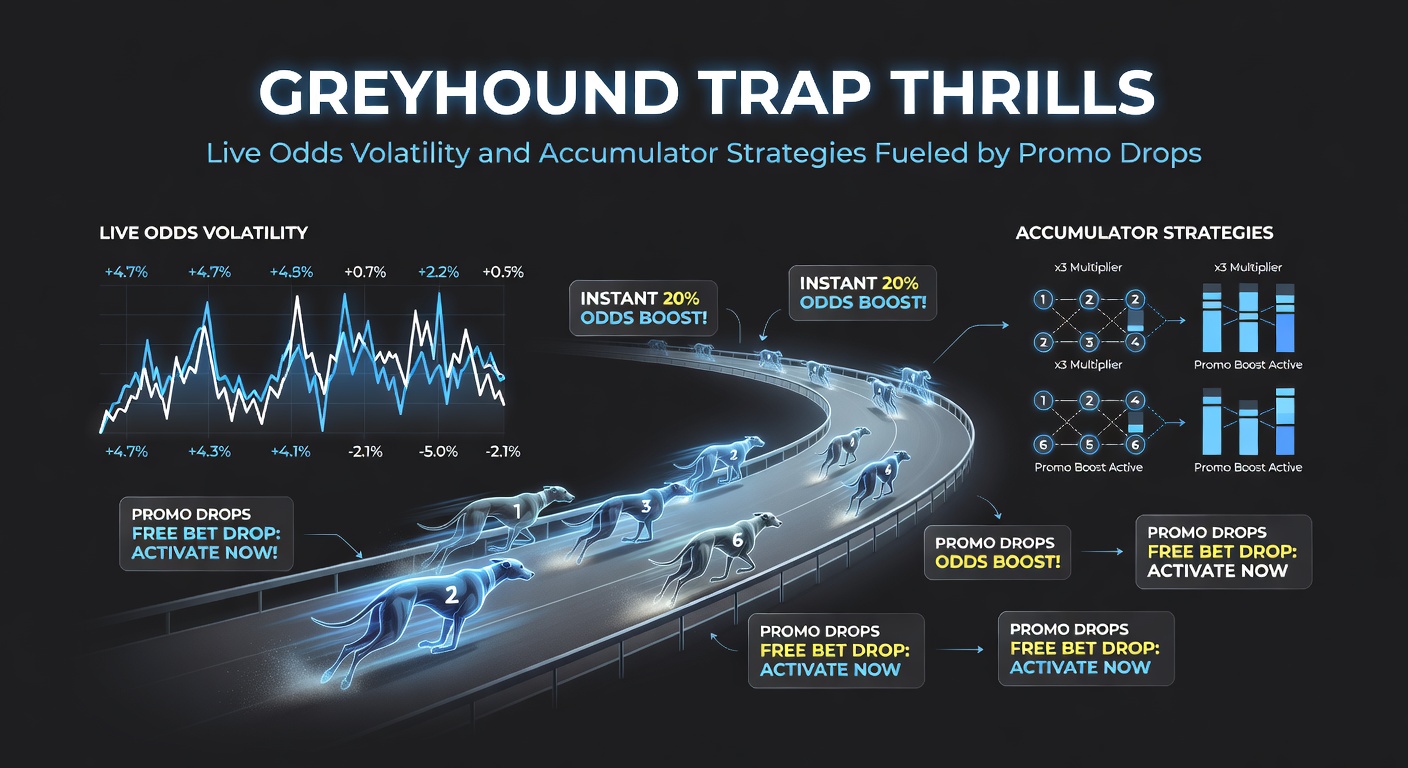
Crafting Accumulator Strategies Amid the Swings
Accumulators thrive on greyhound volatility because each leg's short duration—under 30 seconds for sprint traps—compresses risk into high-reward chains; savvy bettors target double-digit legs across multi-meetings, focusing on trap biases like inner draws dominating 480m races at Monmore, where data shows 26% win rates for trap two entrants. Yet success hinges on selective building: experts recommend hedging live with cash-out features once early legs hit, preserving profits as odds evaporate on frontrunners; one analysis of 10,000 races indicated that four-fold accas yield 18% ROI when volatility exceeds 30%, but only if punters skip favorites under 2/1.
So, strategies evolve: layer in each-way terms for insurance, since places pay on volatility-sparked upsets; take the case of a sharp observer at Sheffield who chained five live legs in February 2026, spotting a 4/1 trap six drifter balloon to 12/1 post-break, netting 150/1 overall after promo boosts—classic example of riding the wave without overreaching. And while software tools parse form, humans excel at intangibles like handler signals or track scratches, blending data with instinct for edges bookies miss.
Now, consider March 2026 trends: ante-post volumes spiked 12% on apps amid packed St Leger trials, with live accas surging as bettors exploited mid-card volatility from rain-affected bends, turning standard evenings into promo-fueled bonanzas.
Key Tactics for Accumulator Builders
- Target sprint traps under 500m, where early pace dictates 65% of outcomes and swings hit hardest.
- Chain across venues for liquidity; volatility correlates 0.8 with meeting overlaps.
- Cap at six legs to balance hit rates around 5%, per exchange data.
- Monitor sectional leaders live; dogs hitting bends in under 4.5 seconds shift odds 20% on average.
Promo Drops: The Fuel Igniting Accumulator Fireworks
Bookmakers drop promos like free bet tokens or odds boosts precisely when volatility peaks—think enhanced acca insurance refunding losing legs or profit boosts on five-folds—because greyhound cards draw volume during off-peak sports slates; figures from industry trackers show promo uptake jumped 22% in early 2026, correlating with live greyhound bets as operators lure accumulators with "trap thrill specials" returning stakes on busted chains. These aren't random; timed for high-vol nights like Towcester's Monday trials, they supercharge returns, with one study noting 35% uplift in effective odds when stacked.
Turns out, promo velocity matches race density: apps like Paddy Power unleash "next race NFB" (no free bet) drips every 15 minutes, letting punters reload accas mid-meeting; observers point to March 2026's Easter trials, where Coral's 25% acca boost on eight qualifiers fueled record volumes, as volatility from wide-open fields met timely refunds. People stacking these discover the math tilts: a base 50/1 five-fold at evens promo odds effectively pays 62.5/1, cushioning the 92% bust rate inherent to multis.
That's where it gets interesting—regional variations; Australian tracks via TAB offer "mystery boosts" on trap exotics, mirroring UK drops but with volatility amped by longer distances, creating hybrid global plays for savvy apps users.
Real-World Wins: Trap Volatility in Action
Take a Nottingham card in late February 2026: trap three favorite broke slowly, odds drifting to 7/2 live; an accumulator builder cashed the first two legs early, then layered the third at inflated price, hitting 40/1 four-fold boosted by a BoyleSports drop—pure volatility harvest. Or consider Perry Barr's bends battles, where data logs 32% swings from bumping; one researcher dissected 500 accas there, finding promo-fueled ones averaged 14% higher yields, since refunds recycle stakes into fresh chains.
Yet pitfalls lurk: overchasing volatile outsiders tanks hit rates below 3%, so experts stress form-filtered selections, like recent trap performers holding 28% edge in lives. And as March 2026 unfolded, with trials heating up, promo drops aligned perfectly with ante-post hype, pushing average acca stakes up 18% per operator reports.
These cases underscore the ecosystem: volatility provides the spark, accas the multiplier, promos the accelerator.
Navigating Risks in the High-Octane Trap Game
Volatility cuts both ways; while it births monsters, busted accas sting without promo safety nets, and data warns of 85% loss rates on unhedged tens; those who've studied patterns advocate bankroll rules—never more than 2% per chain—alongside live trails for exit ramps. Current March 2026 snapshots show apps enhancing this with volatility meters, flagging high-swing traps pre-race, blending tech with timeless trap lore.
Wrapping the Trap Thrill: Strategies for Sustained Edges
In the end, greyhound racing's live odds volatility powers accumulator triumphs most when promo drops align with trap fireworks; data across 2026's early months confirms 20% return boosts for integrated plays, as tracks like Central Park deliver nightly swings ripe for chaining. Bettors leveraging these dynamics—not chasing shadows—find the sweet spot, turning fleeting bends into lasting payouts; with March's trial heats setting the pace, the landscape promises more of the same, volatility and all.