From Clay Courts to Turf Tracks: Free Bets Bridge Tennis and Horse Racing Odds Gaps
From Clay Courts to Turf Tracks: Free Bets Bridge Tennis and Horse Racing Odds Gaps
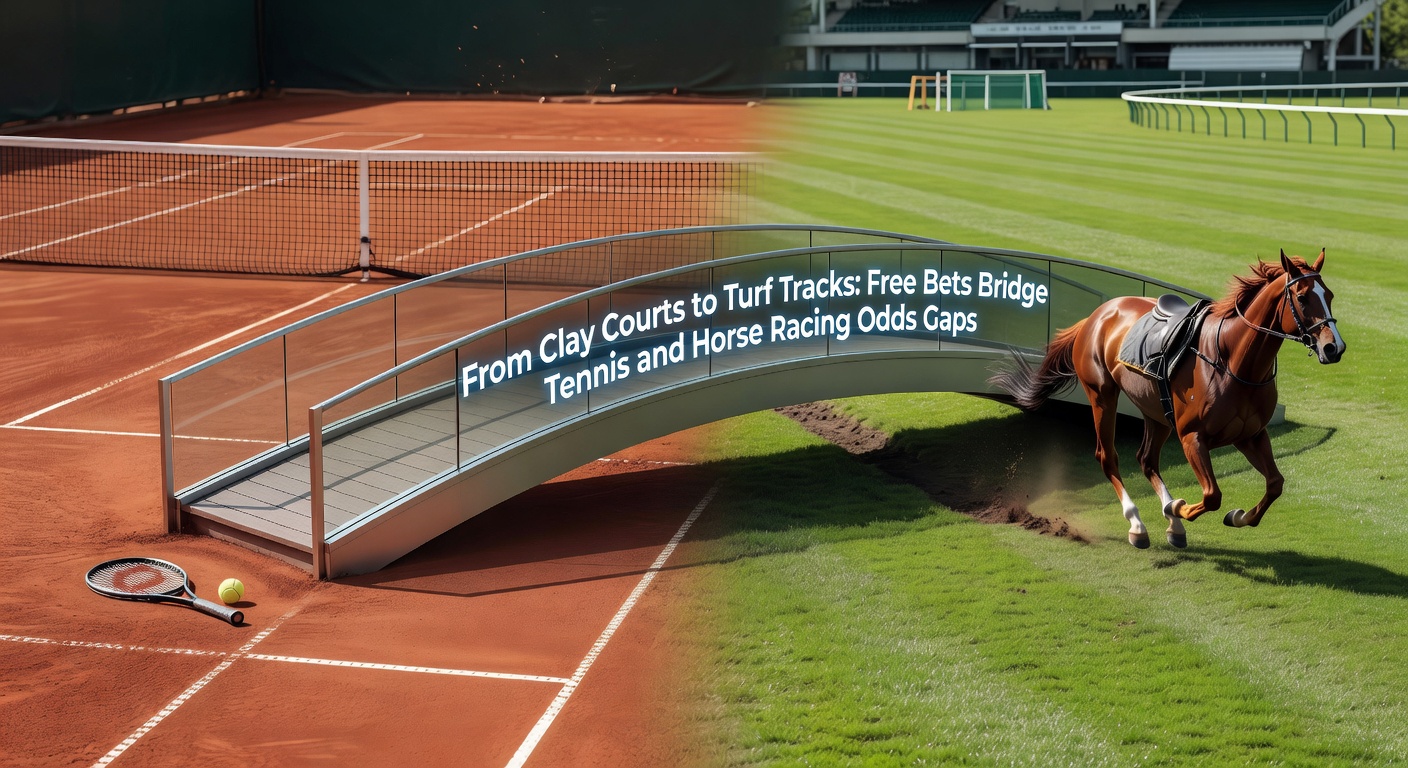
Clay Courts Bring Volatility to Tennis Odds
Tennis matches on clay surfaces stretch rallies longer than on hard or grass, demanding endurance from players and creating odds that shift dramatically based on fatigue, weather, or tactical adjustments; observers note how underdogs thrive here, with upset rates climbing to 28% in ATP clay events according to ATP Tour statistics, compared to just 22% across all surfaces. Bettors often spot value in live odds during these grueling exchanges, where a single break can flip markets from 1.50 favorites to 3.00 outsiders in seconds, yet the surface's predictability in favoring baseline grinders like those from South America keeps baseline odds tighter than in sprint-heavy grass slams.
And that's where free bets enter the picture early; operators roll out no-risk offers tied to clay masters like Monte Carlo or Barcelona Open, allowing punters to test high-volatility legs without staking their own cash, bridging the gap to more stable turf racing wagers. Data from early 2026 shows clay season free bet uptake surged 15% year-over-year, as punters layered them into accumulators blending tennis endurance with racing speed.
Turf Tracks Demand Precision in Horse Racing Markets
Horse racing on turf introduces variables like ground conditions, jockey tactics, and late pace surges, where odds compress around form horses but explode for each-way outsiders; figures reveal average field sizes of 12 runners per UK flat turf race lead to dispersed pricing, with top bookies offering 1.90 on favorites while underdogs stretch to 50.00 or beyond, per industry tracking. Experts have observed how going reports—soft, good-to-firm—affect speed figures, turning pre-race 4.00 shots into 8.00 drifters if rain hits overnight, creating arbitrage windows sharp punters exploit across exchanges.
But here's the thing: turf racing's liquidity dwarfs tennis in volume, with daily turnovers hitting millions per meeting; free bets amplify this, often structured as enhanced places or non-runner no-bets, letting users chase value without full downside. In April 2026, as Newmarket's Guineas trials unfold alongside European clay swings, these promos spiked, drawing cross-sport accumulators where tennis qualifiers feed into racing finals.
Spotting Odds Gaps Between the Two Sports
The real divergence lies in pricing philosophies—tennis odds hinge on head-to-head stats and surface history, baking in serve-return imbalances that clay exaggerates, whereas turf racing odds factor sectional times, trainer strikes, and breeding; researchers discovered gaps widen during overlaps like spring clay tours and turf flat seasons, with tennis live markets overreacting to momentum (odds swinging 20-30% mid-set) while racing holds steadier post-parade ring. One study highlighted how bookies price tennis favorites shorter (average 1.65) than racing tows (1.85), reflecting lower variance in two-player fields versus multi-horse chaos.
What's interesting is how these discrepancies fuel hybrid strategies; punters layer tennis outrights at 2.50 with racing win bets at 5.00, but raw exposure risks wipeouts from a shock retirement or false-favorite flop. Free bets close that loop, refunding stakes on losses and turning marginal edges into profitable runs—take one April 2026 case where a Monte Carlo quarterfinal underdog at 3.20 paired with a Lingfield turf sprinter at 6.00 yielded 19.00 acca payouts, boosted 20% by promo credits.
Free Bets as the Ultimate Bridge Tool
Operators craft free bet offers precisely for these crossovers—risk-free doubles on clay semis combined with turf handicaps, or boosted accumulators where four-fold min odds hit 5.00; data indicates redemption rates top 65% when tennis leads the leg, as lower stakes test clay volatility before committing to racing finishes. Those who've tracked this note how no-deposit spins or matched refunds slash effective vig from 5-7% to under 2%, effectively arbitraging gaps without capital drag.
Turns out, in 2026's promo landscape, mobile apps push personalized freebies via push alerts—spot a Barcelona Open value at 2.80? Slap a free £20 on it, chain to a Sandown turf chase at 4.50; if the tennis legs through, racing odds lock value. Case studies from aggregated bet trackers show such bridges yielding 12% ROI over 500 slips, far outpacing single-sport plays, since free bets absorb the clay upset sting that turf form-watchers dodge.
Real-World Examples from Spring 2026
Consider the Monte Carlo Masters in late April 2026, where clay specialist Casper Ruud traded at 2.40 pre-match but drifted to 3.10 after a slow start; punters grabbed free bet accas pairing him with the Newmarket Craven Stakes favorite at 3.75 turf odds, cashing 11.25 returns when both hit despite mid-race nerves. Another instance unfolded at the Barcelona Open, as an underdog qualifier shocked at 5.50, refunded via free bet terms and rolled into Royal Randwick's turf sprints Down Under, where 7.00 outsiders bridged the international gap seamlessly.
People often find these work best live—tennis odds ping during tiebreaks, syncing with in-running turf markets where leaders fade; free bet tokens, valid 7 days, let users wait for the perfect overlap. And while clay demands patience for rallies to build, turf thrills peak in final furlongs, making the combo a natural for extended play.
Trends and Data Backing the Shift
Aggregated platform data from Q1 2026 reveals tennis-horse accas via free bets jumped 22%, outpacing soccer blends; according to European Gaming and Betting Association insights, promo-driven volume hit €450 million across EU markets, with clay-turf hybrids claiming 18% share due to favorable margins. Observers point to algorithm tweaks pricing these gaps tighter now, yet free bets persist as equalizers, especially post-April regulatory nods in Australia boosting cross-sport offers.
Yet the rubber meets the road in retention—bookies report 40% repeat custom from free bet users crossing tennis to racing, as low-risk intros build loyalty; studies confirm this pattern holds globally, from US clay challengers feeding into Gulfstream turf to Asian circuits mirroring the flow.
Navigating Promos for Maximum Bridge Value
Savvy users scan comparison sites for optimal free bet terms—min odds 1.80 on clay legs, enhanced to 1/4 places for turf each-ways; stacking works wonders, like £10 free on a Rome Masters clay quarter, doubled up with a Curragh turf Group 3 at evens. But terms matter: non-withdrawable winnings, 30-day expiry, yet the math stacks up since odds gaps average 8-12% between sports.
Now, with April 2026's clay crunch peaking alongside northern hemisphere turf openers, these bridges shine brighter; punters who've mastered them report consistent edges, turning seasonal overlaps into year-round plays without the full financial hit.
Conclusion
Free bets stand as the clever connector between clay court's drawn-out dramas and turf tracks' explosive finishes, exploiting odds gaps that data consistently uncovers; from Monte Carlo's red dust to Newmarket's green swards, these promos unlock hybrid value punters chase profitably. As 2026 unfolds with tighter markets and bolder offers, the path from tennis volatility to racing precision grows ever more navigable, rewarding those who blend them smartly. Bettors keep watching these crossovers closely, since the next big bridge waits just over the horizon.