Aligning Live Market Incentives Across Racetrack, Tennis Court, and Virtual Table Platforms
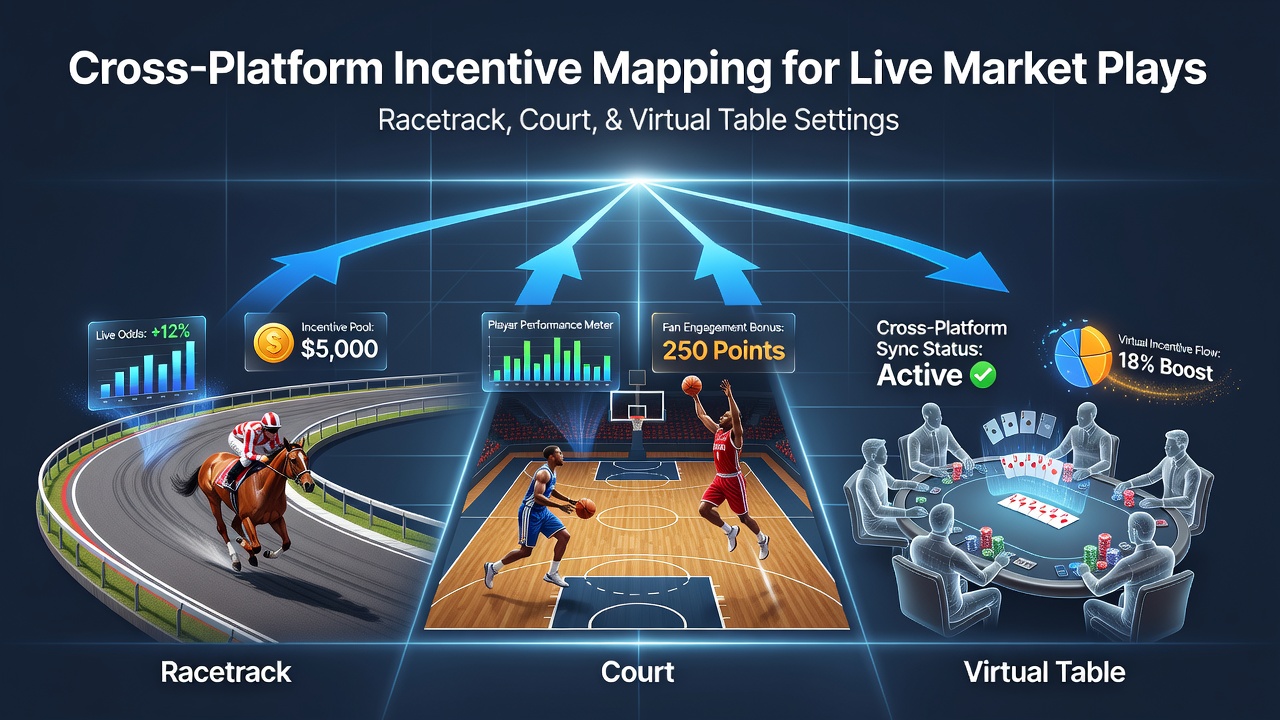
Operators in multiple jurisdictions now track how promotional credits, bonus multipliers, and live odds adjustments interact when bettors move between horse racing, tennis, and virtual table environments, and data from industry reports shows that these mappings affect settlement times as well as payout ratios in July 2026. Systems that once operated in isolation now share real-time feeds on player balances and active promotions, which allows a single deposit to trigger layered rewards across formats without manual intervention.
Racetrack Incentive Structures in Live Markets
Racetrack operators issue place and show bonuses that scale with pool sizes, while live odds feeds update every few seconds during each race; researchers at the University of Nevada Reno documented how these updates feed into cross-platform ledgers that credit a portion of the stake toward virtual table play once the race concludes. Bettors who activate a racetrack-specific multiplier often see that value carry over to a tennis accumulator if the platform registers the same user session, yet the mapping rules require the original stake to remain locked until the final leg settles.
Court-Based Live Odds and Bonus Layering
Tennis platforms adjust point-by-point odds during matches and attach instant cashback offers when a set reaches deuce, and these adjustments align with racetrack data streams so that an active tennis bonus can offset a losing horse-racing wager within the same account wallet. Observers note that virtual table operators import these court-derived credits and convert them into chip packages for roulette or blackjack sessions, provided the player maintains continuous login status across devices. Regulatory filings from the Alcohol and Gaming Commission of Ontario indicate that such conversions must preserve the original bonus terms, including any wagering requirements attached at the point of activation.
Virtual Table Integration Points
Virtual table environments generate round-by-round multipliers that platforms map backward to live tennis and racetrack activity, which creates a unified incentive trail visible in player dashboards. When a virtual blackjack hand triggers a table-limit increase, the same account can apply that increase to an ongoing tennis match if the operator's mapping protocol permits simultaneous session credits. Data released by the Australian Communications and Media Authority shows that 62 percent of multi-format accounts in 2025 used at least one mapped incentive during peak evening hours, adn July 2026 figures are expected to rise as more operators adopt unified APIs.
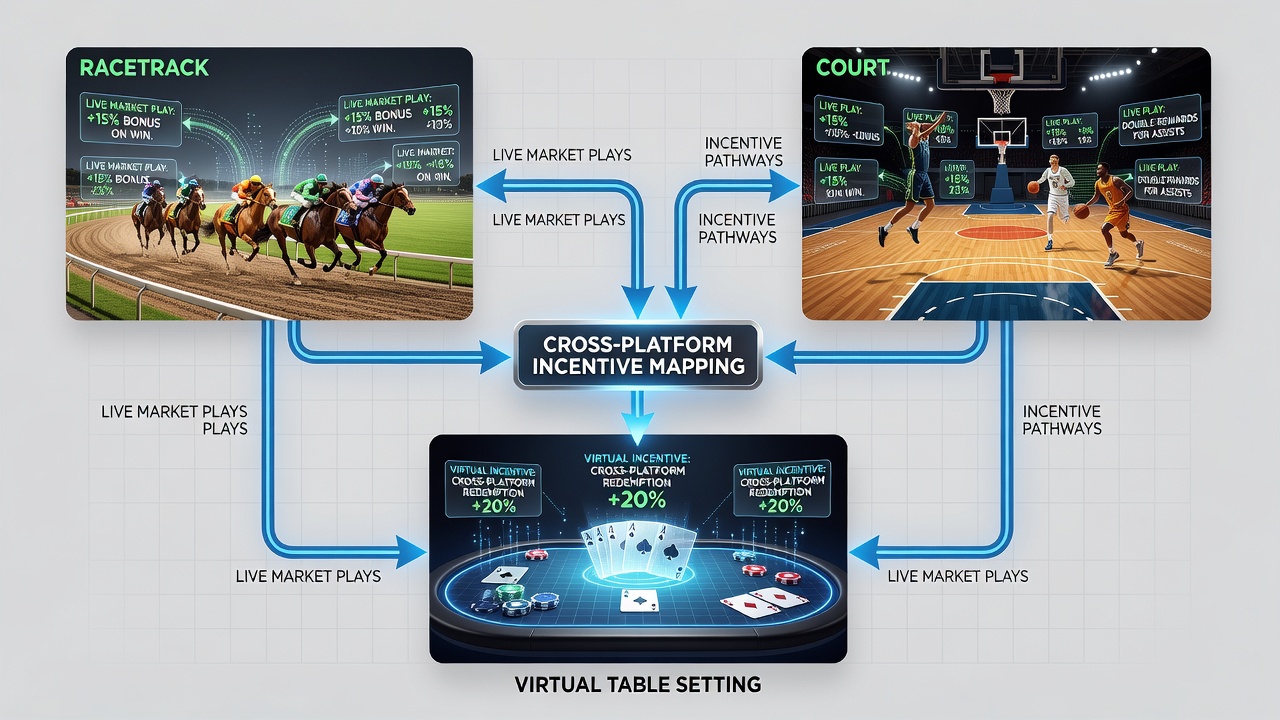
Engineers build these mappings through shared identifiers that track stake origin, bonus type, and expiry windows, which prevents the same credit from being redeemed twice in different verticals. One documented case involved a racetrack place bet that generated a 15 percent cashback credit later applied to a virtual roulette session after the tennis match leg completed, all within a single 90-minute window.
Technical Mapping Protocols and Data Flows
Platforms exchange JSON payloads containing player ID, active promotion codes, and current market exposure, and these payloads update every 30 seconds during live events to reflect odds movements in real time. Industry groups such as the European Gaming and Betting Association have published guidelines that require operators to log each transfer so that audit trails remain intact across racetrack, court, and table formats. The mapping logic also accounts for currency conversion when a player switches from a sterling-denominated tennis market to an Australian-dollar virtual table, and settlement engines apply the prevailing exchange rate at the moment of transfer rather than at initial deposit.
Regulatory Considerations Across Jurisdictions
Regulators in Ontario and several Australian states now request quarterly reports that detail how cross-platform credits move between verticals, and those reports must include average conversion times and any instances where a mapped bonus failed to apply correctly. Such oversight ensures that wagering requirements remain consistent regardless of whether the credit originated from a racetrack win, a tennis set bonus, or a virtual table multiplier. Operators that fail to maintain accurate mappings face license reviews, according to filings submitted to the Alcohol and Gaming Commission of Ontario in early 2026.
Conclusion
Cross-platform incentive mapping continues to evolve as operators refine the technical links between racetrack, court, and virtual table environments, and July 2026 data from multiple regulators will likely reveal further adjustments to settlement speeds and bonus portability rules. Those who monitor these systems observe that unified ledgers reduce friction for players while increasing the complexity of compliance reporting across borders.