Aligning Dynamic Odds Feeds with Player Reward Systems in Soccer, Horse Racing, and Tennis Markets
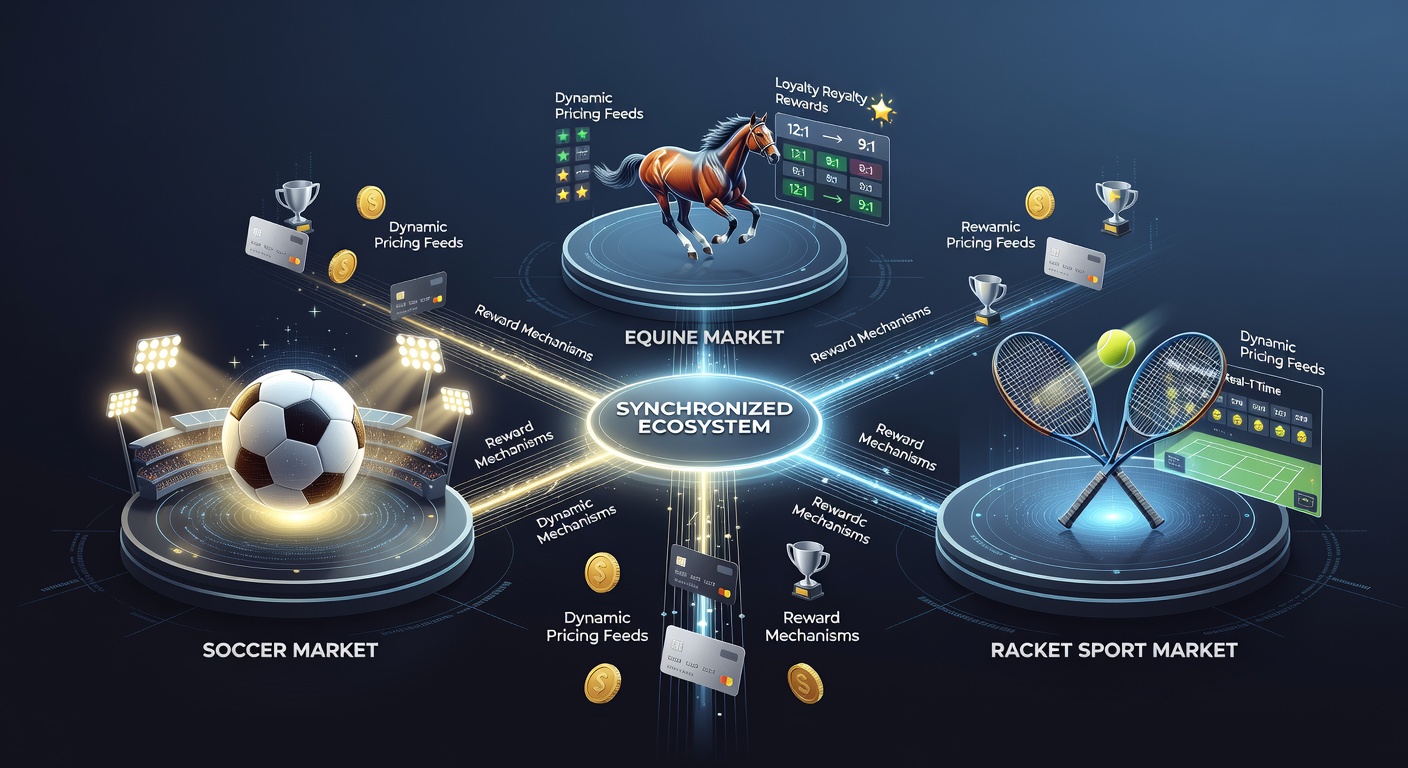
Operators coordinate live pricing streams with loyalty structures through unified data pipelines that update odds across soccer fixtures, equine events, and racket competitions while simultaneously adjusting bonus eligibility and point accruals in the same cycle. These integrations rely on API endpoints that pull millisecond-level market fluctuations and push them into reward ledgers so that a shifting soccer accumulator price can immediately alter the multiplier applied to a player's ongoing loyalty tier.
Core Components of Feed Synchronization
Dynamic pricing engines ingest data from multiple exchanges and bookmakers then normalize it into a single schema before distribution to front-end platforms. When this normalized stream connects to reward databases the system recalculates cashback percentages or free-bet triggers without requiring separate batch jobs. Research from the European Gaming and Betting Association shows that operators achieving sub-second latency between price changes and reward updates report higher retention metrics during overlapping tournament windows.
Application Across Soccer Markets
In soccer, in-play pricing moves rapidly during stoppage time or red-card situations. Synchronization modules detect these movements and apply corresponding reward boosts to accumulators that include the affected match. The mechanism prevents situations where a player completes a boosted bet only to discover the underlying odds have already drifted. Data pipelines handle this by tagging each price point with a timestamp that reward engines reference when validating bonus claims.
Equine and Racket Sport Adaptations
Equine markets introduce additional variables such as non-runner deductions and photo-finish delays. Synchronization protocols incorporate these variables by maintaining separate feed channels that merge into the central reward ledger once results are confirmed. Tennis and other racket sports add set-by-set volatility where point spreads shift after every game. Reward mechanisms in these markets often tie cashback to live-odds thresholds so a player receives an instant tier upgrade when a price moves beyond a programmed band.
Technical Architecture Supporting Integration
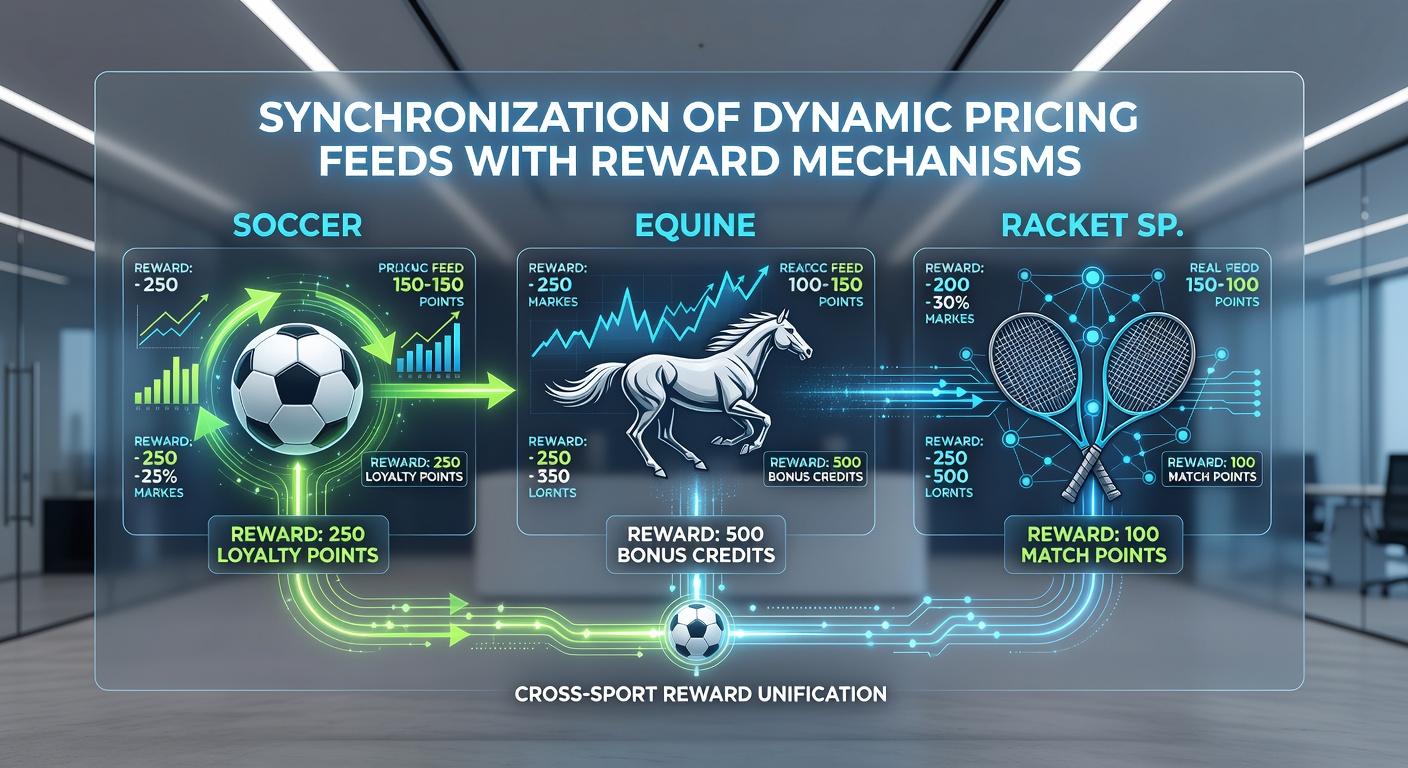
Modern setups employ event-driven architectures where a price-update event triggers a parallel reward-calculation event. Message queues ensure that both processes complete before the next market tick arrives. Observers note that platforms using this approach can maintain consistent player balances even when multiple sports experience simultaneous volatility. Around May 2026 several operators plan to roll out enhanced timestamping standards that will further tighten the alignment between pricing feeds and reward ledgers across jurisdictions.
Regulatory and Compliance Considerations
Authorities in multiple regions require audit trails that demonstrate reward calculations used the same pricing data presented to customers. Compliance teams therefore embed verification checkpoints inside the synchronization layer so every bonus payout can be traced back to a specific price snapshot. A report published by the Canadian Gaming Association highlights how such traceability reduces disputes during high-volume racing festivals that overlap with major tennis tournaments.
Future Developments in Cross-Sport Reward Alignment
Emerging standards aim to extend synchronization beyond single operators to shared liquidity pools. This would allow a loyalty point earned on a soccer market to influence pricing visibility in an equine accumulator offered by a partner platform. Industry working groups continue to refine data formats that support these cross-vertical reward transfers while preserving jurisdictional restrictions on bonus mechanics.
Conclusion
Coordination between dynamic pricing feeds and reward mechanisms continues to evolve as operators refine the technical links that keep soccer, equine, and racket sport markets aligned with player incentives. The infrastructure supporting these connections determines how quickly adjustments propagate and how accurately rewards reflect live market conditions. As platforms prepare for May 2026 enhancements the focus remains on maintaining precise, auditable synchronization across all three sport categories.